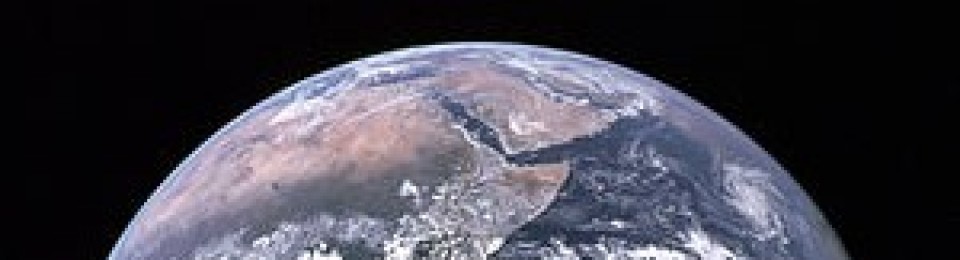
The King James Version of the Bible says we are supposed to take care of the Earth. Man wasn’t given a user manual on how to take care of our only home. The problem didn’t exist a few thousand years ago because a few million primitives lived a simple life within their ecosystems. They ate what was available, wore skins of what they killed, and moved when nearby food become scarce.
The problems began small when civilization started. When people started to congregate into villages and cities, wild lands was turned to cropland and pasture. Forests were cut for buildings and agriculture. Technology began to allow for mining of metals and minerals for bu8ilding. As humanity spread out and the population grew so did the destruction of the Earth. As we learned the oceans were full of food we started to harvest an “infinite” source.
Today the Earth’s 7.5 + billion people have destroyed the Earth’s delicate ecosystem by trying to feed, house, and satisfy unnecessary consumerism. Look around. We have dug massive holes for minerals, dumped the acidic wastes on the surface and burned the coal to change the climate. The need to move faster than walking and animals has given rise to oil production, which has magnified Earth’s destruction. (It did save whales from extinction.) The seas have given their all on feeding us. Stories of the amount of fish and shellfish in Chesapeake Bay indicate we have less than one five-hundredth left. Cod in the Newfoundland area was in the billions and now vast areas have few cod left.
Wasteful consumerism, especially for plastics, have made floating plastic islands, some the size of Texas¸ in our oceans.
What will the world be like when 2050 has over nine billion people and 2100 with twelve billion? Will we have figured a peaceful way to limit population, recycle over and over, reduce pollution, and survive the results of climate change we caused?
 Commentary About the Blue Marble